
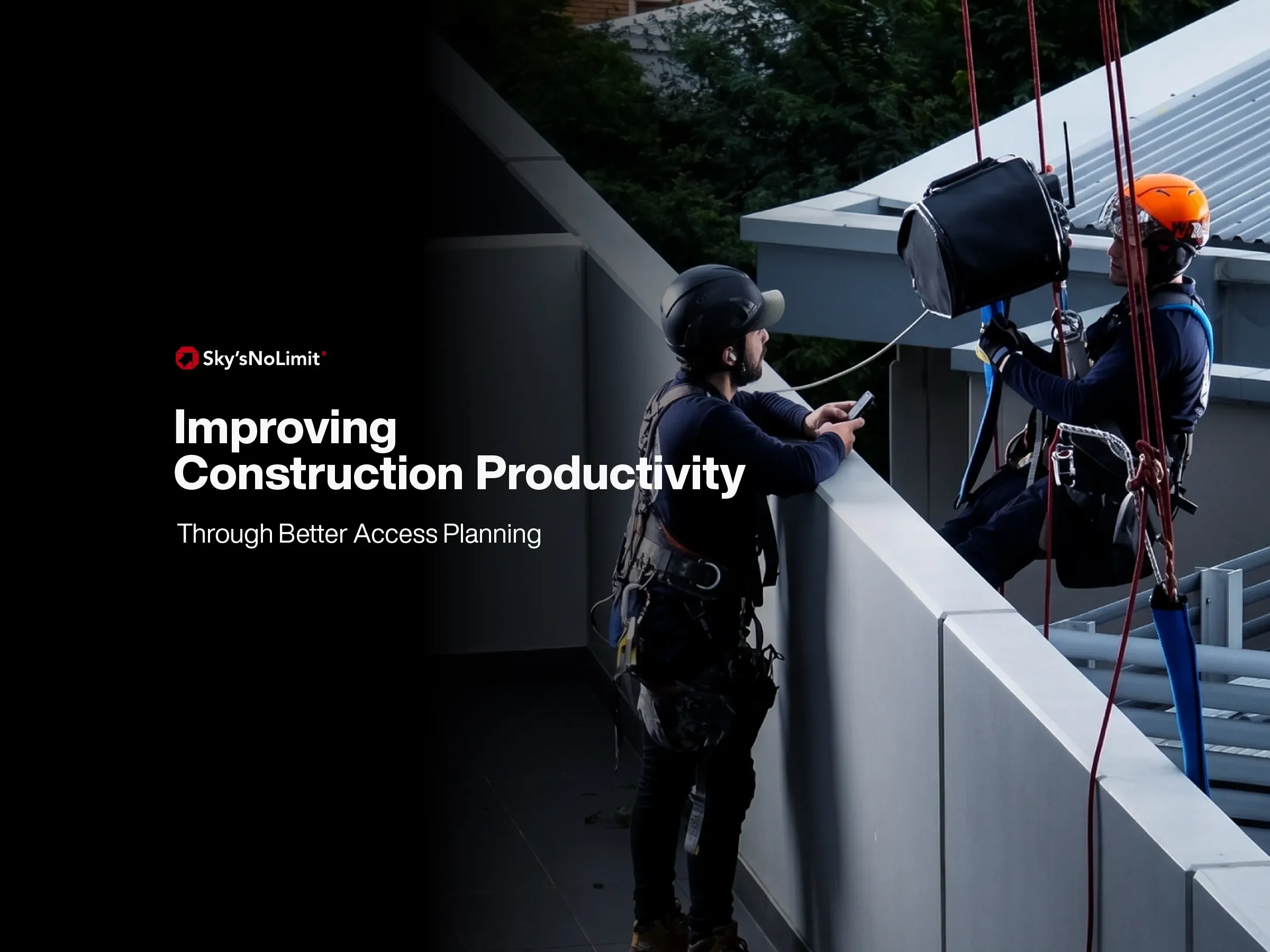
Productivity Starts Before Work Begins
A crew arrives at an area and waits for access. Equipment needs to be repositioned before the next task can start. Materials have to be moved through a restricted area. One trade finishes later than expected, leaving another crew unable to begin. None of these delays necessarily looks significant on its own. Over the course of a project, however, they can add up. This is one reason improving construction productivity isn't simply a question of adding more workers or working longer hours. Productivity is also affected by how the site has been planned, how people and equipment move through it, and whether the access strategy supports the way work actually needs to happen. Infrastructure Australia continues to identify productivity as a significant issue for the Australian construction sector. Its 2025 Market Capacity Report notes that construction productivity has remained relatively flat over the longer term, despite a short-term improvement in 2023–24. For complex projects, better planning can make a difference well before the first crew arrives on site. Construction productivity is often discussed in terms of what happens during the work itself. But many productivity problems are created earlier, during planning. If workers have to spend a significant part of each shift getting into position, moving equipment or waiting for another activity to finish, the issue may not be the workers themselves. It may be the way the work has been organised. This is particularly relevant on high-rise and complex construction projects, where access can change from one stage to the next. A façade crew may need access to several levels or elevations. Inspection work may cover areas that are difficult to reach using a single setup. Maintenance or installation activities may need equipment to move vertically as the work progresses. These requirements need to be considered alongside the construction program, rather than treated as something to solve once work is underway. Guidance on machinery and equipment safety also recommends considering where and when access will be required for tasks such as installation, maintenance, repair and cleaning. Good access planning asks practical questions early: - Where will workers need to work? - How often will they need to move? - How will they reach each work area? - How long will setup and repositioning take? - What needs to happen before another trade can begin? - Will the access method still make sense as the project progresses? The answers can influence how efficiently the site operates.
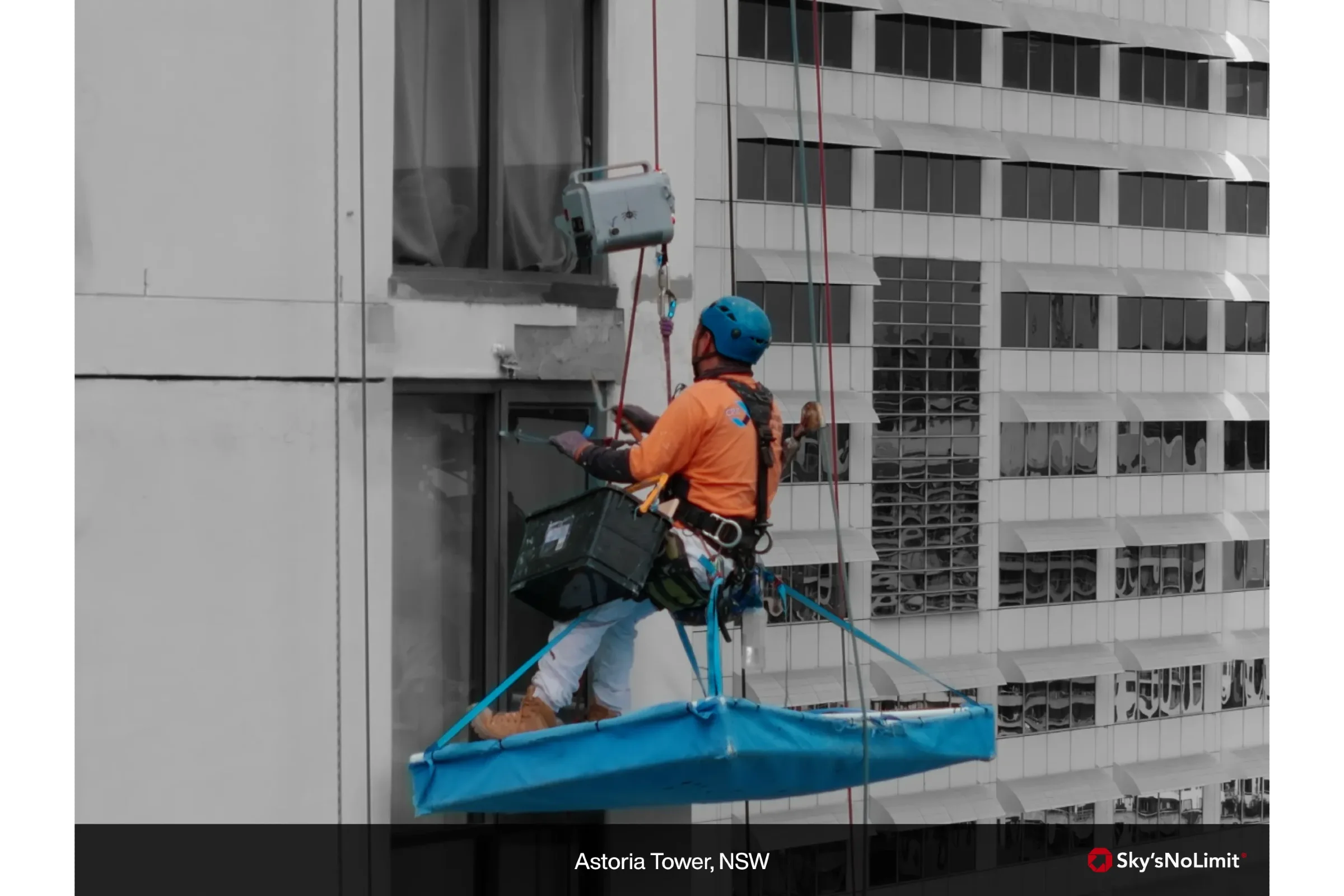
Look at the Whole Work Sequence
One of the easiest ways to overlook productivity losses is to look at individual tasks rather than the sequence connecting them. Imagine a specialist crew has four hours of productive work planned for the day. If access setup takes an hour, followed by equipment repositioning and a period of waiting for another trade, the amount of time actually spent on the task can be considerably lower than the schedule suggests. This becomes more complicated when several crews are working around one another. A delay to one activity can affect the next crew. A change to the work area can require access equipment to be moved. A material delivery can temporarily restrict movement around the site. The result is often a chain of small interruptions rather than one obvious delay. This is why access planning should be considered as part of the overall work sequence. Rather than asking only, 'What equipment do we need?', project teams can ask, 'How is this work going to move from one stage to the next?' That shift in thinking can reveal problems earlier. Consider Access as Part of Site Logistics Access isn't separate from site logistics. It is one of the things that helps determine how people, equipment and materials move around a project. On a straightforward site, there may be several ways to reach a work area. On a high-rise project, the options can be much more limited. The available space, building structure, surrounding environment and stage of construction can all affect the practical access arrangements. An access system that works well at one point in the project may become less suitable as the building changes. For example, a crew working on a façade may need to move between different elevations rather than repeatedly returning to a single access point. If every change requires substantial setup or manual repositioning, that time becomes part of the project's labour requirement. Planning for those movements early gives project teams an opportunity to identify where time is likely to be lost. It can also help avoid situations where access becomes an afterthought and has to be fitted around a schedule that is already locked in. Reduce Unproductive Movement Not all movement on a construction site adds value. Workers need to move, of course. Equipment needs to be positioned. Materials need to be handled. But there is a difference between movement that is necessary to complete the work and movement created by an inefficient setup. This distinction matters when skilled labour is limited. If an experienced worker spends part of the day carrying equipment, waiting for access or helping with repeated repositioning, that is time that isn't being spent on the specialist work the project needs from them. The same applies to equipment. Frequent repositioning can take people away from other tasks. If access arrangements require considerable manual handling, the impact can extend beyond the time spent on the move itself. Better planning doesn't mean eliminating every movement. It means understanding where movement is unavoidable and where it can be reduced. That can be as simple as considering the order in which areas will be worked on, where equipment will be positioned and how the crew will move between tasks.
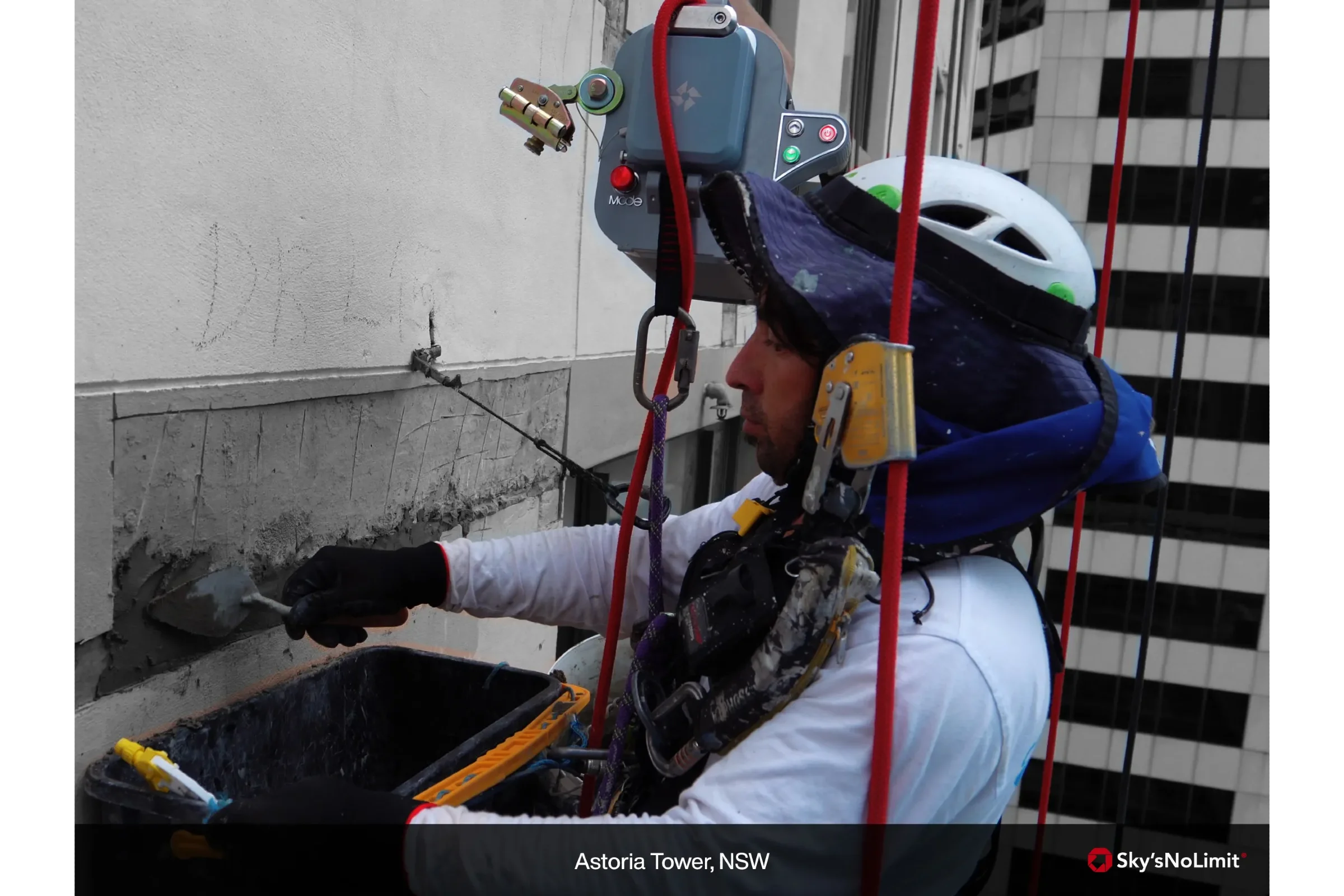
Match the Access Strategy to the Work
There is no single access approach that works for every construction project. The right strategy depends on the building, the work being carried out, the location of the crew and how frequently access needs to change. This is why access planning should start with the work rather than with a particular piece of equipment. Consider a project where a specialist team needs to work across multiple sections of a façade. The useful question isn't simply whether a system can reach the required height. It is also: How easily can the crew move between the areas they need to work on? Similarly, if a task is repeated across multiple levels, the project team should consider how often workers will need to change position and what that process involves. These details can have a direct effect on the number of productive hours available during a shift. Coordinate Access With Other Trades Construction sites rarely operate as a series of completely separate activities. Trades overlap. Areas become available at different times. Deliveries, installations and inspections all have to fit into the wider program. Access planning needs to account for those interactions. If a work area isn't going to be ready when a specialist crew arrives, the problem isn't necessarily a shortage of labour. The issue may be coordination. Likewise, if one access arrangement prevents another trade from reaching its work area, the resulting delay can affect the wider schedule. This is where communication between project managers, site teams, contractors and access specialists becomes important. The earlier these requirements are discussed, the more options the project team generally has. Waiting until a crew is ready to start work leaves fewer opportunities to change the sequence without affecting the program.
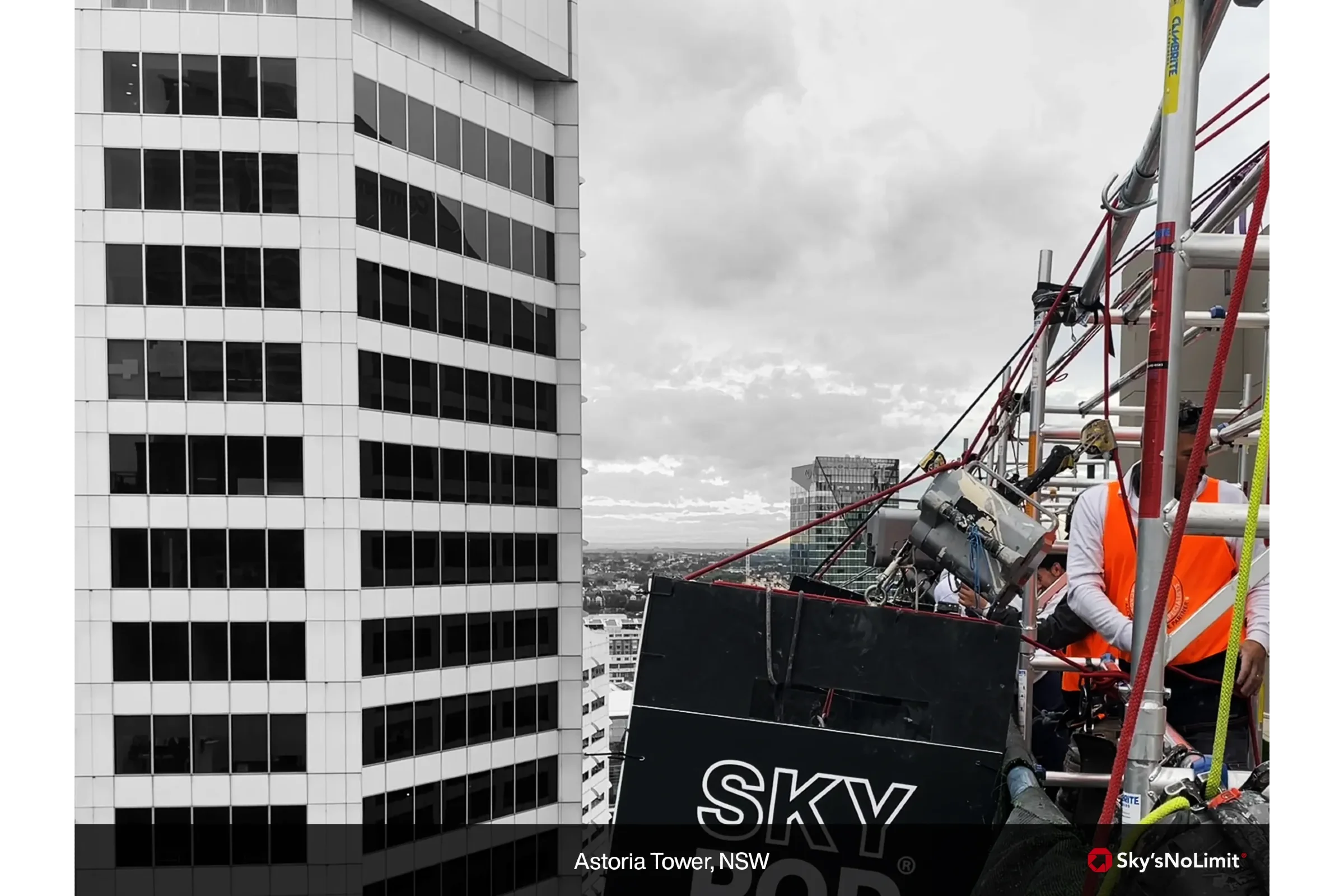
Plan for Changes During the Project
Construction projects rarely follow the original plan perfectly. Building conditions change. Work areas become available earlier or later than expected. Additional work is identified. Weather affects the schedule. Other trades adjust their sequencing. An access strategy needs enough flexibility to deal with those changes. This doesn't mean planning for every possible scenario. It means understanding which parts of the access arrangement are likely to change and considering how easily the project can respond. For high-rise work in particular, the access requirements may evolve as the building moves through different stages. A system that is efficient for one phase may need to be adjusted for another. If those changes require significant downtime, they can affect the productivity gains the project was expecting. SNL's case studies provide examples of how access requirements can vary across different building types, work programs and site conditions. Including likely changes in the initial planning process gives the site team a better chance of adapting without unnecessary disruption.
Use Productivity Planning to Support the Workforce
Australia's construction sector is dealing with a combination of workforce pressures, complex projects and rising demand. Infrastructure Australia reports that worker shortages and stagnant productivity continue to present challenges for project delivery. That makes the productive use of available labour increasingly important. Better access planning can't solve a skills shortage. What it can do is reduce some of the time that skilled workers spend on activities that don't require their particular expertise. This broader focus on improving productivity through better delivery methods and innovation is also reflected in Infrastructure Australia's roadmap to improve infrastructure industry productivity and innovation. This is an important distinction. The goal isn't simply to make people work faster. It is to create a site environment where workers can spend more of their available time on the work they were brought in to perform. That may involve better sequencing, clearer coordination between trades, more considered logistics or an access strategy that reduces unnecessary setup and movement. Often, the gains come from several relatively small improvements rather than one major change. Start Access Planning Early If access is only discussed once construction is underway, the project team may already be working around decisions that are difficult to change. A better approach is to bring access into the planning conversation early. Before work begins, consider: - The areas each crew needs to reach - How frequently workers will need to reposition - The sequence in which different areas will be completed - How access interacts with other trades - The amount of setup and manual handling involved - How the access arrangement may need to change during the project - Whether the planned approach supports the project's productivity targets These questions can help identify potential delays before they become site problems. Better Access Planning Can Support Better Project Delivery Construction productivity isn't only about how quickly a task can be completed once work starts. It is also about everything that happens around that task. A worker waiting for access isn't productive. A crew repeatedly repositioning equipment isn't carrying out its primary task. A trade held up because another activity wasn't coordinated properly can lose an entire window of productive time. None of these issues necessarily comes down to effort. Sometimes, the problem is simply that the way the work was planned doesn't match the way it needs to happen on site. For high-rise and complex construction projects, access deserves to be considered as part of that planning from the beginning. If you're planning maintenance, inspections or remedial works on a high-rise building, considering access requirements from the outset can make a significant difference. Sky's No Limit® provides a complete ecosystem built around MODE Power Ascenders, combining advanced powered access equipment with professional training through the PEARS® Elevation Academy, specialist servicing and premium technical support. Our mission is simple: help teams develop engineered access so they can work at height safer, faster and more efficiently, delivering greater productivity and profitability on high-rise and rope access projects.