Why Labour Shortages Are Different on High-Rise Projects
Recent infrastructure forecasts illustrate the scale of the challenge. Infrastructure Australia estimates that the shortage of workers on public infrastructure projects could rise to 300,000 by mid-2027, with trades and labourers among the groups facing significant shortages. High-rise construction and maintenance often rely on skills that can't simply be substituted when someone is unavailable. Working around façades, confined areas, complex structures and live building environments can require specific experience and training. Bringing another worker onto the project doesn't necessarily solve the problem if that person isn't equipped to carry out the task. The same applies to access. A project may have a capable team ready to work, but if the access method takes too long to install, limits where the crew can work or requires frequent repositioning, part of that specialist labour is being spent on activities that don't directly advance the job. This becomes more significant when several projects are competing for the same specialist resources. A delay on one site can affect crew availability elsewhere, while an inefficient work sequence can extend the amount of time those resources are tied up. The challenge, then, isn't simply finding more workers. It's creating conditions where the workers already available can spend more of their time doing the work they're there to do.
Where Labour Shortages Start Affecting Productivity
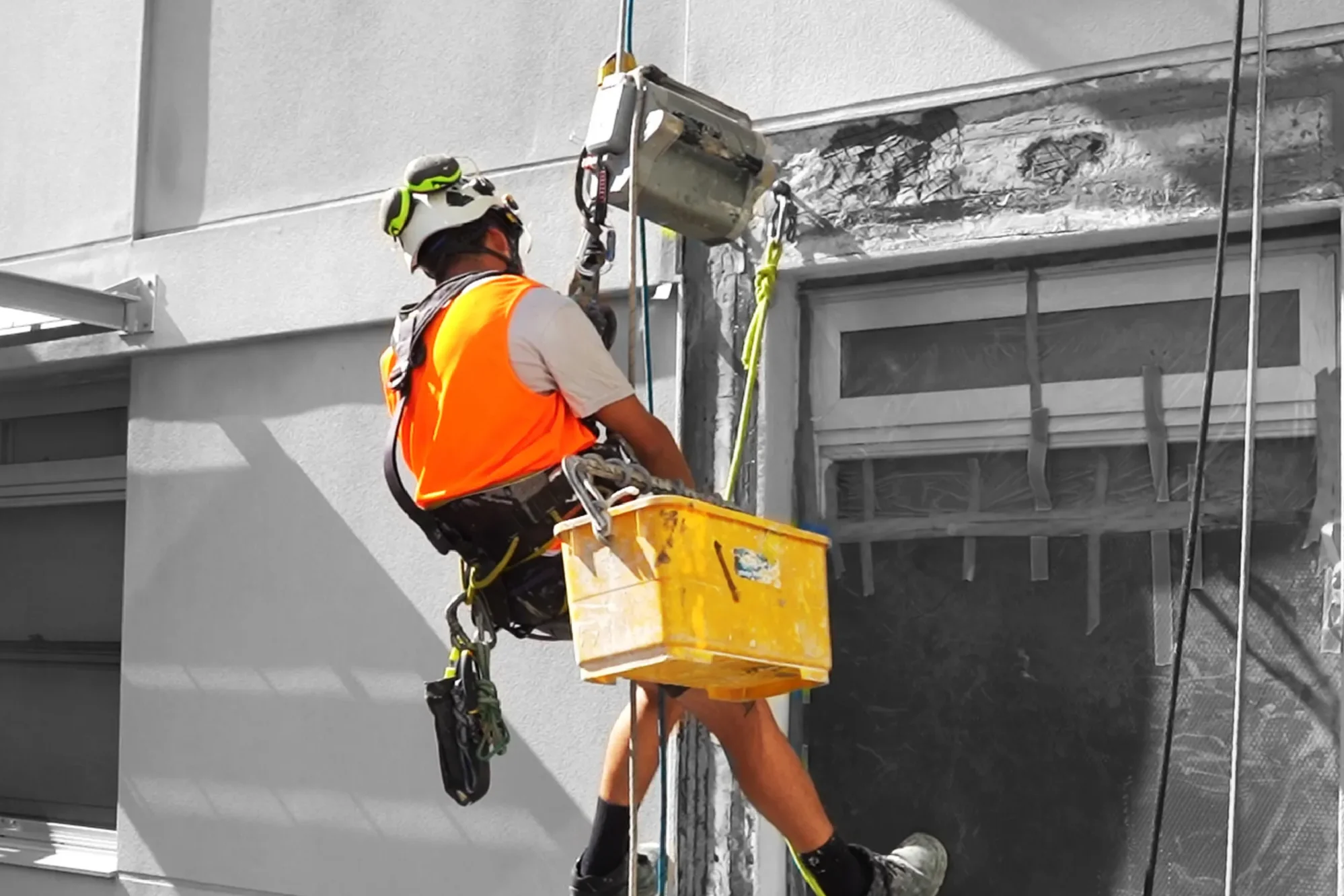
Finding the Right Skills A shortage of skilled workers is different from a shortage of people. Recent Jobs and Skills Australia data continues to show pressure in filling skilled roles, with Skill Level 3 occupations among the most difficult to recruit. High-rise projects can involve rope access, powered access systems, façade remediation, inspection work and other specialised activities. These tasks require more than general construction experience, and competency can't always be developed quickly enough to meet an immediate project need. This puts greater pressure on experienced personnel. Keeping Work Moving Between Trades High-rise projects rarely involve one crew working in isolation. Different trades depend on one another, and delays in one activity can create waiting time somewhere else. If a façade area isn't ready, an installation crew may have to stand by. If access isn't available when a specialist team arrives, their scheduled hours may be lost. These interruptions can be easy to overlook when reviewing labour requirements on paper. The project may have enough workers allocated to it, but not necessarily enough productive hours being generated from those workers. Reducing Time Spent on Access and Setup Access is another area where scarce labour can be consumed. Traditional systems may require significant labour for installation, dismantling, repositioning and material movement. Depending on the building and scope of work, that can represent a substantial amount of time before the actual maintenance or construction activity takes place. For a workforce already under pressure, reducing unnecessary setup and movement can have a meaningful effect on productivity. SNL's current systems approach reflects this issue directly, with powered elevation designed to reduce setup time, support controlled vertical movement and reduce manual handling during high-rise work. Making the Most of the Workforce Available Labour shortages aren't something project teams can solve overnight. What they can control is how effectively the available workforce is used. For high-rise projects, that means looking beyond headcount and considering how access methods, equipment, sequencing and site methodology affect the time skilled workers can actually spend on productive work. Removing unnecessary setup, movement and manual handling can help teams get more from the people already on site. That is where the right access approach can make a difference. Sky's No Limit provides engineered access systems and powered elevation solutions designed to help high-rise teams work efficiently in complex environments. If you're looking at ways to improve workforce productivity on an upcoming project, talk to the SNL team about your access requirements.