
Shared specifications
Both models run on the same 1000W permanent magnet motor and the same 36V 5000mAh hot-swappable lithium battery. Safe working load is 200 kg on each unit, with rescue load capacity rated to 250 kg. Maximum descent speed is 0 to 37 m/min on both models, fully variable. Chassis construction is aviation aluminium alloy, chosen for the combination of strength, low weight and corrosion resistance. Both ship with the same handheld operator controller and the same integrated safety functions. Controlled braking holds position automatically if the operator releases the controller. Automated emergency descent activates if power is interrupted, lowering the operator under controlled speed. The drive mechanism is enclosed on both models. Both attach to an 11mm static rope conforming to EN1891 Type A, and both are deployed within the PEARS® framework operated by Competent PEARS technicians. The full MODE technical specifications cover both models in detail.
Where they differ: environmental protection
The Pro is rated to IP54, where the first digit indicates protection against dust ingress and the second against water. IP54 means limited dust ingress permitted but not in quantities that would interfere with operation, and protection against water splashes from any direction. This level suits routine façade access, internal industrial environments, and projects where wet weather is managed through site scheduling. The Pro MAX is rated to IP65, dust-tight and protected against low-pressure water jets, per the IEC 60529 Ingress Protection ratings standard. This is the appropriate specification for high-moisture environments, coastal sites exposed to salt-laden air, dust-heavy industrial conditions such as mining infrastructure, and projects where weather windows are tight and operations need to continue under conditions where the Pro might require shutdown.
Where they differ: speed and running distance
Maximum ascent speed on the Pro is 0 to 20 m/min, on the Pro MAX it is 0 to 22 m/min. Both are fully variable, so the operator sets rate appropriate to the task and load conditions. Across a day involving 8 to 12 ascent cycles on a 100 m drop, the Pro MAX shaves multiple minutes off total transit time, which translates into more time at the work face. Running distance on a single battery, under a standardised 100 kg load, is approximately 330 m on the Pro and 450 m on the Pro MAX. For a 60 storey tower, that distance differential can mean the difference between needing a battery swap mid-drop and completing the drop in a single descent cycle. With hot-swappable batteries on both models, neither becomes operationally limited on longer programmes.
Continuous product development on the MODE platform
The MODE Smart Spider platform has evolved through several iterations of field feedback over its time in international service. Recent updates include a handheld remote control replacing earlier Bluetooth and app-based control, which improves reliability on site and removes the dependency on a paired mobile device. Australian-spec power supply and charging accessories have replaced the original Chinese plug configurations, simplifying compliance and accessory sourcing. Sky's No Limit acts as the channel between Australian users and the MODE manufacturer, with operator feedback from local projects feeding back into subsequent product cycles. For procurement teams comparing equipment over multi-year fleet horizons, this active development cycle is a relevant consideration alongside the headline specifications.
When the Pro is the right choice
The Pro is well suited to projects with predictable site conditions, building heights up to around 30 storeys, internal access work in industrial environments, and façade remediation programmes that can be scheduled around weather. The IP54 rating handles ordinary site exposure without issue. For façade technicians or contractors entering powered elevation for the first time, the Pro provides the same core safety and load specifications as the Pro MAX at a lower capital cost. It is the right starting point for a first power elevator in a fleet.
When the Pro MAX is the right choice
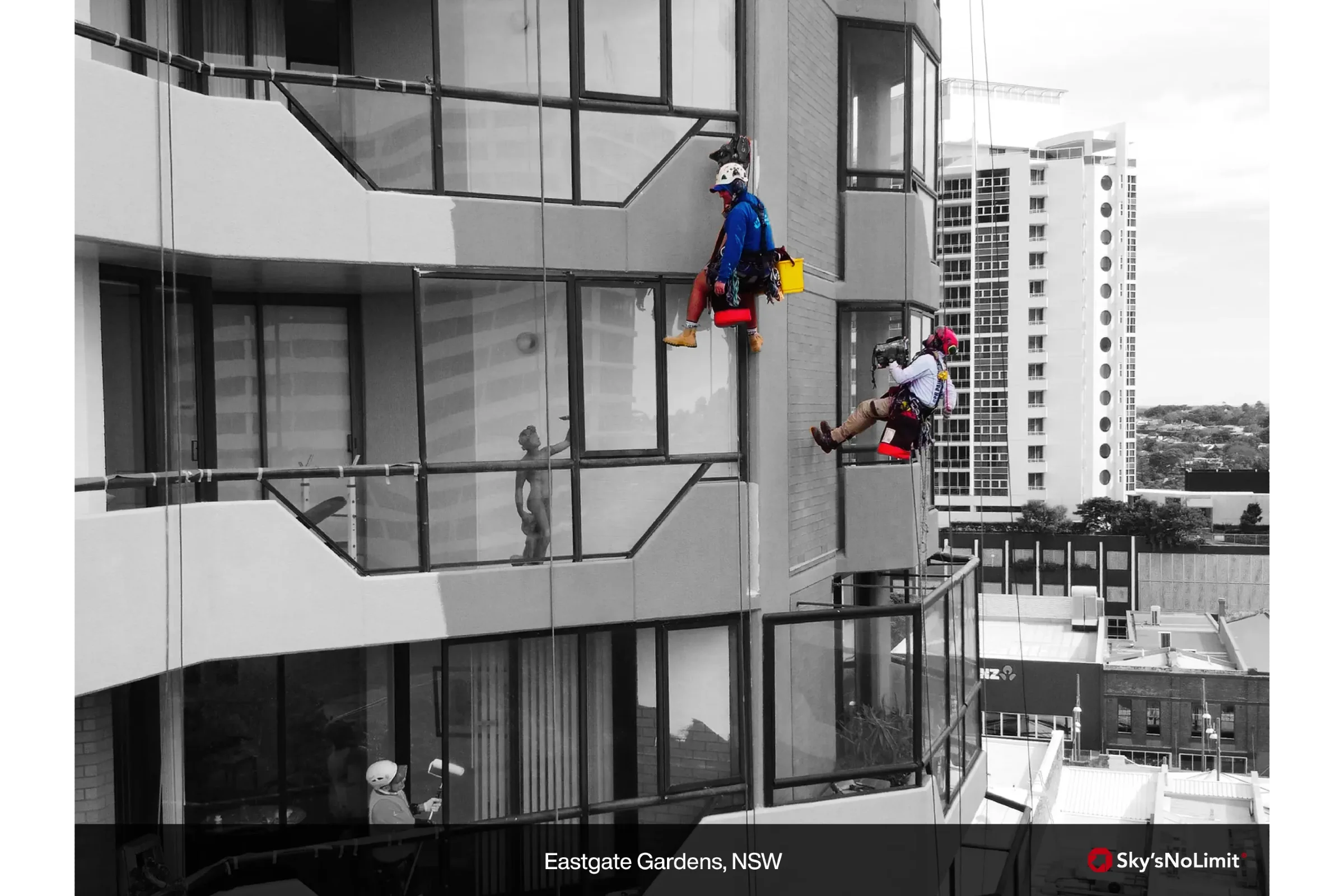
The Pro MAX suits ultra high-rise works above 30 storeys, coastal and high-humidity environments, wind turbine maintenance, infrastructure inspection on bridges and towers, painting and coating projects involving water-based or solvent-based application, and any project where the IP65 rating reduces weather-driven downtime. The longer running distance supports extended drops on remote energy infrastructure or harbour bridge works. The Pro MAX earns its place where weather, height or environment would otherwise constrain operations.
Who typically buys these systems
Power elevator purchases come from three main buyer profiles. The first is individual façade technicians and rope access operators investing in their own equipment to expand their service offering and reduce reliance on hired access methods. For these buyers, the return on investment comes from being able to bid for and deliver work that would otherwise require hired scaffold, shared employer equipment, or slower manual rope access programmes. Sky's No Limit sells directly to single-operator buyers and supports them with servicing, parts and operator familiarisation through the PEARS® Elevation Academy. The second profile is contractors building or expanding equipment fleets to support multiple crews working across projects simultaneously. Fleet purchases benefit from the consistent operator interface between the Pro and Pro MAX, which simplifies cross-training, equipment rotation and standardised maintenance scheduling. The third profile is building owners, facility managers and larger asset holders specifying equipment for in-house teams or as part of structured supply arrangements with their access partners. Sky's No Limit works with buyers across all three profiles, supported by national supply, scheduled servicing, parts availability and ongoing technical support. The team is happy to walk through configuration, training and supply options to suit any project or fleet.
Frequently asked questions
- What is the main difference between the MODE Smart Spider Pro and Pro MAX?
- The Pro MAX has a higher ingress protection rating of IP65 versus IP54 on the Pro, a longer running distance of 450 m versus 330 m on a 100 kg load, and a slightly higher maximum ascent speed of 22 m/min versus 20 m/min. Motor, safe working load, descent speed and safety functions are identical.
- Do both models have the same safe working load?
- Yes. Both the Pro and Pro MAX are rated to a 200 kg safe working load with rescue capacity up to 250 kg.
- Can I upgrade from a Pro to a Pro MAX later?
- The two are distinct units rather than upgrade variants of a single chassis. A contractor can operate a mixed fleet, deploying the Pro MAX on the harshest environments and the Pro on more routine projects.
- How long does the battery last on a Pro or Pro MAX?
- One charged 36V 5000mAh battery typically supports up to a full day's work. Running distance under a standardised 100 kg load is approximately 330 m on the Pro and 450 m on the Pro MAX. Batteries are hot-swappable, so operating with two batteries on rotation removes any practical limit on programme duration.
- Does the IP65 rating mean the Pro MAX is waterproof?
- Not in the sense of being submersible. IP65 means dust-tight and protected against low-pressure water jets. It supports operations in heavy rain or near water blasting but is not designed for underwater use.
The Pro and Pro MAX share a common engineering platform and differ where it matters for site fit. For project-specific configuration advice or to download the full MODE technical specifications, speak to the SNL technical team.